-
Class Dismissed? Reviving Leandro Litigation Through a Class Action
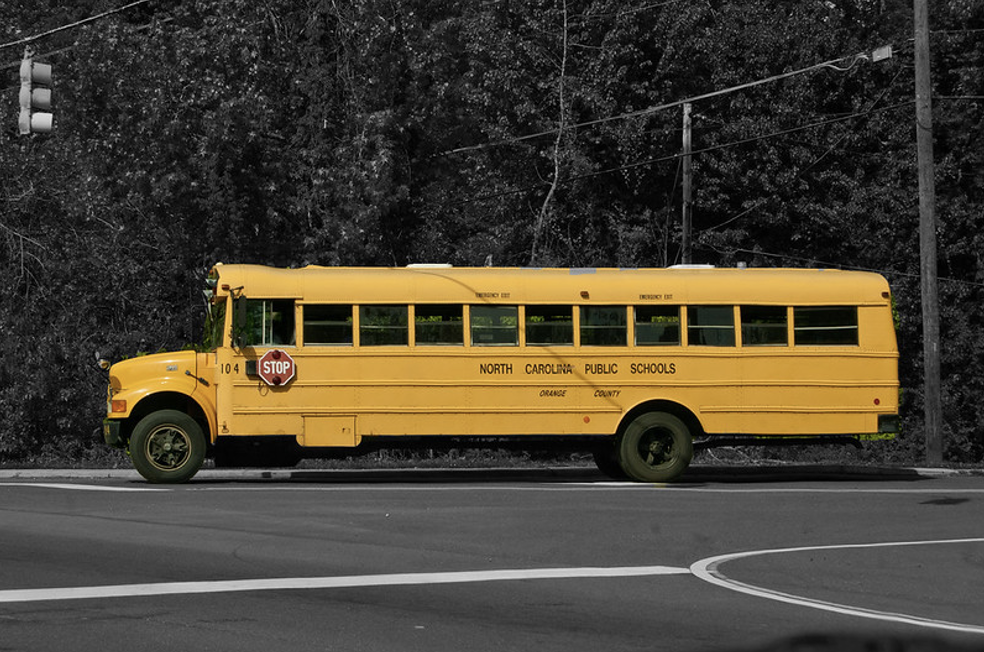
On April 2, 2026, the Supreme Court of North Carolina dismissed Hoke County Board of Education v. State (originally Leandro v. State) with prejudice, ending thirty-two years of litigation over the State’s constitutional guarantee to provide a sound basic education to its citizens.[1] The Court did not hold that such a right no longer exists; rather, it held more narrowly…
-
Kratom: Natural Supplement or Gas Station Fentanyl?
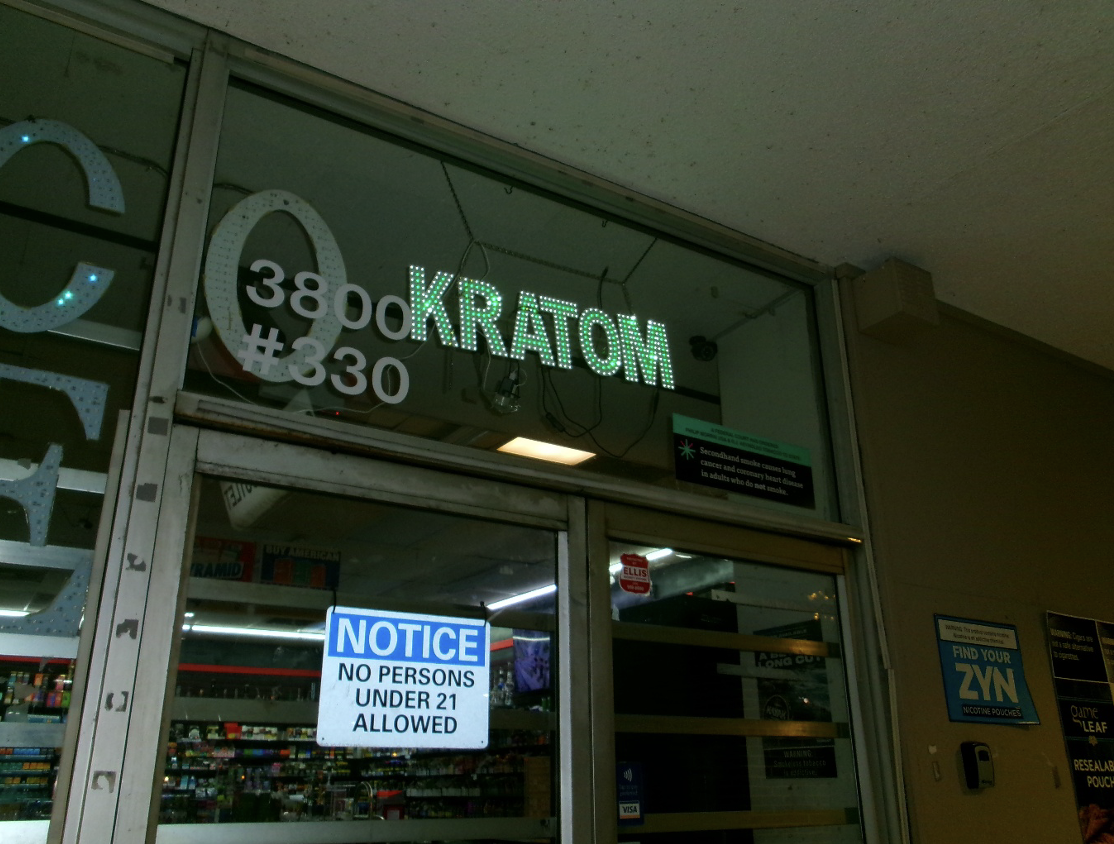
This article was written prior to the tragic events of September 21, 2026. If you or anyone you know is struggling with substance abuse, please seek help at samhsa.org or call 1-800-662-HELP (4357). “[T]hey don’t realize it’s going to be addictive when it’s sold on the shelf next to an energy drink and beef jerky…”.[1]…
-
All Rise for the Honorable Judge Claude: Responding to the Use of AI in the Federal Judiciary

On August 31, 2026, the Fifth Circuit held oral arguments regarding the use of artificial intelligence (“AI”) in the courtroom.[1] Of course, this is not the first time that a court has had to address the usage of the 21st-century boogeyman in the practice of law, as the number of attorneys who are facing sanctions for…
-
SCOTUS Over Summer: Supreme Court Highlights from Summer 2026

Pitchford v. Cain Opinion May 28, 2026 – Ruling 5-4 In Pitchford v. Cain, the Court reversed the U.S. Court of Appeals for the Fifth Circuit and held that the Mississippi Supreme Court unreasonably applied the Batson v. Kentucky precedents and “unreasonably determined that Pitchford waived his opportunity to rebut the prosecutor’s asserted race-neutral reasons…
-
Primate Personhood? PETA v. NIMH and the Future of Expanding Legal Protections for Primates

“Murray has spent more than 40 years and over $50 million taxpayer dollars isolating, caging, and then deliberately damaging macaques’ brains without leading to any new treatments or cures for mental health issues in humans.”[1] This powerful statement epitomizes the way that research primates are abused in the United States, and the reason why in…
-
From Fertility to Felony: What is a 4th Amendment “Search” in a Post-Dobbs era?

In the wake of Dobbs v. Jackson Women’s Health Organization,[1] thirteen states criminalize abortion; in these states, technology like the Oura Ring, which collects reproductive data from users, may not receive Fourth Amendment protections. What constitutes a “search” when reproductive information is managed by a third-party? Can states use the third-party doctrine to use fertility…
-
Delivering More Than Dinner: The Post-COVID Gig Economy Could Force a Rethink of Employment Law

Young Americans across the United States are increasingly embracing the convenience economy. A recent article in the New York Times detailed shifting attitudes toward food delivery, specifically, the tradeoff many Americans now accept: paying a premium for delivery in exchange for a reduced “mental load” from cooking and cleaning.[1] This shift reflects a broader reprioritization…
-
A New Hydraulic Fracturing Proposal Fuels Questions About the Environment and Public Health in California

Hydraulic fracturing (“fracking”) is a method used to extract natural gas or oil from underground. A drill is used to inject a mixture of water, sand, and chemicals into shale, causing it to crack and release gas and oil. Environmentalists have raised concerns that the chemicals involved in fracking contaminate drinking water and that fracking…
-
This is My Own Private Domicile, and I Will Not Be Harassed: Undue Expansion of Warrantless Entry Exceptions in Case v. Montana

On January 14, 2026, the United States Supreme Court decided Case v. Montana, in which it affirmed its precedent of the emergency aid exception to the Fourth Amendment’s warrant requirement.[1] However, the Court also expanded the authority of law enforcement officers to enter private residences without a warrant in the case of an emergency. The…
-
Like Apples & Oranges: What In re Vetements Group AG Gets Right, and Executive Order 14224 Gets Wrong, About the Importance of Extending Trademark Protections to Non-English Languages

On January 12, 2026, the Supreme Court declined to review a Federal Circuit decision upholding the doctrine of foreign equivalents, which determines a non-English word’s trademark registrability based on its English translation.[1] The case, In re Vetements Group AG, has drawn widespread attention due to its potential ramifications on what words can be registered as…