
Category: Environmental Law
-

A New Hydraulic Fracturing Proposal Fuels Questions About the Environment and Public Health in California
—
by
Hydraulic fracturing (“fracking”) is a method used to extract natural gas or oil from underground. A drill is used to inject a mixture of water, sand, and chemicals into shale, causing it to crack and release gas and oil. Environmentalists have raised concerns that the chemicals involved in fracking contaminate drinking water and that fracking…
-
Can Activism Survive SLAPPs in the United States? Greenpeace’s Use of the European Union’s Anti-SLAPP Directive Against Energy Transfer Lawsuit
—
by
In the 1980s, scholars George W. Ping and Penelope Canan began researching a troubling new trend taking root in the United States’ legal system. They warned that this phenomenon, known as Strategic Lawsuits Against Public Participation (SLAPPs), posed a substantial risk to the future of democratic participation.[1] SLAPPs are used to dissuade citizens from engaging…
-

Racketeers of the Bird World: The Ecological Impact of the Brown-headed Cowbird
—
by
The brown-headed cowbird is an unusual bird. Instead of raising its own young, it lays its eggs in the nests of other birds. Cowbirds usually choose smaller passerines (songbirds), but they are not picky—they have been recorded parasitizing at least 220 species’ nests, including unsuitable host species such as sandpipers, owls, and hawks.[1] This is not a mutually-beneficial relationship. The…
-

A Wave Of Protection For The Deep Sea
—
by
Deep-sea mining is a decades-old practice. As countries consider commercializing the deep-sea mining industry to meet the increasing demand for minerals, concerns over the industry’s environmental impacts are growing. The ocean is vital to life on Earth, making up over 70% of the Earth’s surface and containing up to 80% of all life. In addition to supporting over half the life on…
-
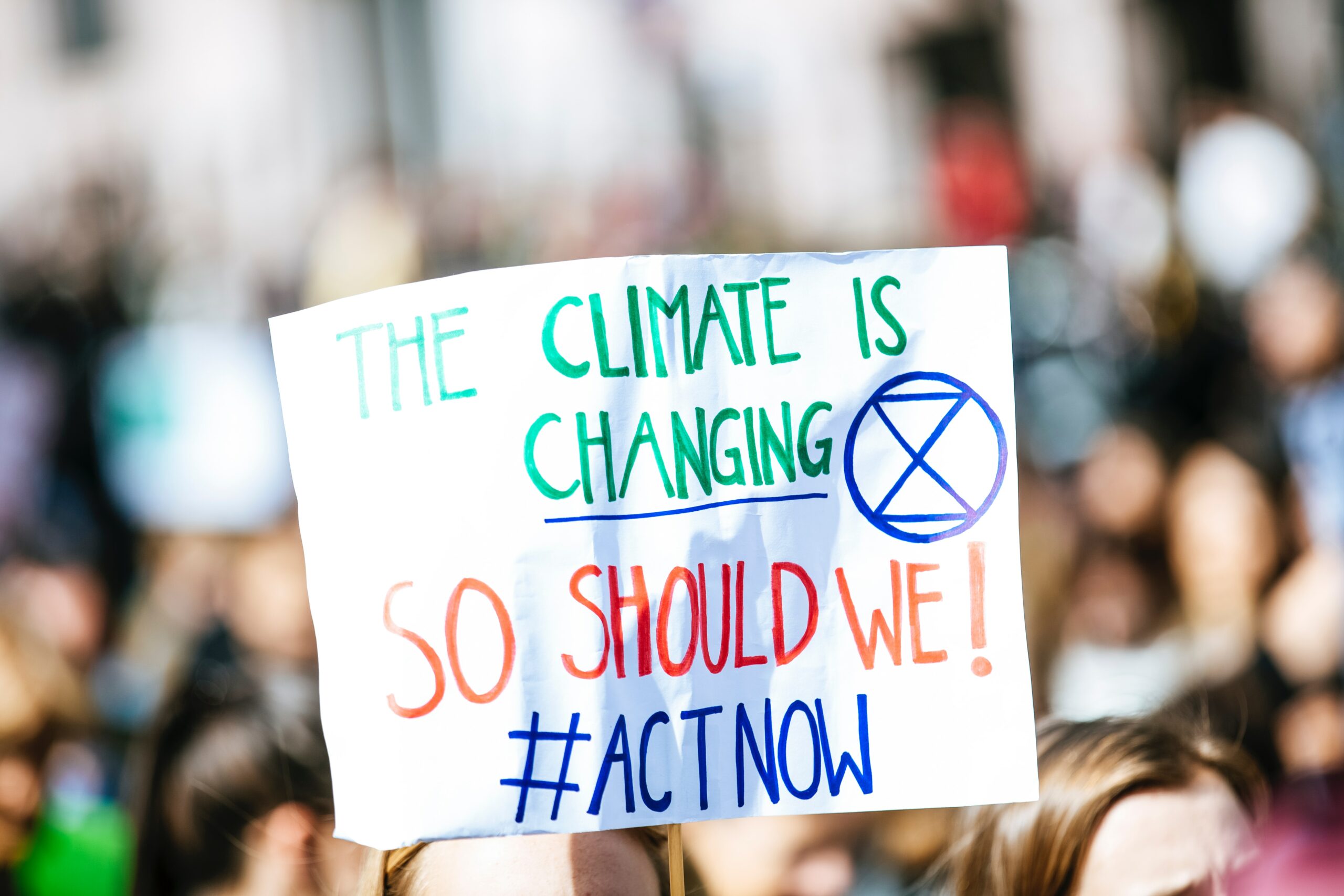
For What It’s ‘Earth’: Individual Action Can Make A Difference Against Climate Change
—
by
Climate change is creating vast and catastrophic conditions in every region of the United States. Since 1901, the average surface temperature across the contiguous forty-eight states has risen at an average rate of 0.17°F per decade.[1] Although that number may seem insignificant, the implications of a warming climate illustrate just how urgent the issue really is. These…